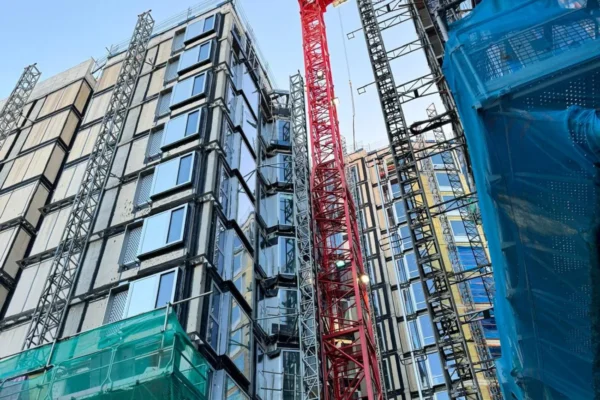
An aluminium window systems schedule can appear relatively straightforward at the tender stage. Frame, glass, hardware and finish may be the obvious components, but other considerations can influence the cost, programme and long-term performance of a healthcare window package.

Opening restrictions, acoustic requirements, solar control, replacement access and interface details can all affect what is being procured. For QSs and project managers, resolving these requirements early can help create clearer specifications, more comparable tenders and fewer unexpected changes during construction.
Define the performance requirements early
The NHS Premises Assurance Model frames estate management around safe, effective, efficient and high-quality premises. For project teams, this reinforces the importance of defining window performance requirements, including thermal efficiency, acoustics, solar control, safety glazing, ventilation, security and weather resistance.
A patient bedroom, circulation area or window adjacent to a plant room may require different performance characteristics. Bringing these requirements together within a clear window schedule helps QS teams compare tenders consistently and allows potential design conflicts to be identified before procurement.
Coordinate the glazing and frame specification
Window frames and glazing need to perform as a complete system. A particular acoustic rating, U-value or solar-control requirement can influence glazing thickness and weight, affecting sash dimensions, hinges, restrictors and the suitability of the proposed commercial aluminium window system.
For example, an acoustic glazing build-up may require thicker or laminated glass while also needing to satisfy thermal and safety requirements. Checking whether the complete window assembly can achieve the specified performance helps reduce the risk of redesign or procurement delays.
Resolve the opening and restrictor strategy
Healthcare window design often has to address patient safety as well as ordinary building performance concerns. In particular, HBN 00-10 Part D highlights the risk of falls from windows and explains that restrictors should be chosen through risk assessment, with attention to patient categories and physical capability. It also notes that restrictors and fittings should be robust enough to prevent vulnerable or determined adults from forcing an opening beyond the 100mm restriction.
A useful design-stage question is whether the opening strategy has been agreed before selecting the window system. Who will use the room? Is natural ventilation required? How will the window be cleaned?
These decisions can affect the window profile, hardware, fixing strategy and maintenance requirements. Resolving them early helps avoid treating restrictors as accessories added after the design has been agreed.
Clarify the surrounding interfaces
Window installation depends on more than the frame itself. Structural openings, tolerances, airtightness, weathering, membranes, steel framing systems (SFS) and cladding can all affect the perimeter detail.
Before tender, it is worth establishing how the frame will be fixed, how movement will be accommodated, how water will be managed at the sill and who is responsible for each interface.
For QSs and project managers, clearly allocated responsibilities help make package scopes comparable and reduce the potential for variations, design delays and additional site coordination.
Consider finishes and future maintenance
Health Building Note 00-10 Part D gives healthcare-specific guidance for windows and their associated hardware, linking material choice to maintenance, cleaning, repair and replacement.
Aluminium performs well in this context when the finish is properly specified. HBN 00-10 Part D notes that mill finish is not recommended because it can become unsightly and may increase maintenance costs, while anodising and powder coating offer longer maintenance-free periods depending on exposure and finish type.
However, specifying powder-coated aluminium alone may not fully define the finish requirements. Exposure, cleaning regimes and environmental conditions can influence coating selection and future maintenance needs.
Replacement access is another consideration. Can individual glazed units or hardware be replaced internally? Would external access require scaffolding or specialist equipment? Could work disrupt an ambulance route, public entrance or occupied clinical area?
Considering these questions during specification helps project teams understand how initial design decisions could affect future maintenance and operational disruption.
Agree the handover requirements
HBN 00-10 Part D also highlights the importance of maintenance information, including manufacturers, glazing specifications, fittings, gaskets, finishes and cleaning instructions.
Agreeing these deliverables during procurement gives estates teams the information needed to identify and maintain installed components. It can also reduce uncertainty over documentation responsibilities and help avoid delays during project handover.
Better information supports better value
Bespoke aluminium window systems can offer durability, design flexibility and strong performance for healthcare projects, but their suitability depends on how the frame, glazing, hardware, fixings, interfaces and maintenance strategy work together.
For QSs, a coordinated specification supports more accurate tender comparisons. For project managers, it can help reduce unresolved design decisions and programme disruption. Considering these requirements early can therefore support better long-term value without assuming that aluminium, or the most expensive specification, is automatically the right choice.
Discuss your healthcare window requirements
At Advanced Glass, we work with main contractors and design teams to support aluminium window and glazing packages from early specification and tender review through to installation and handover.
If you are developing a healthcare project, contact Advanced Glass to discuss how early coordination can support clearer specifications, more comparable tenders and more predictable delivery.